

Generations Apart
The pace of cultural change has never been faster or more fragmented. Across 20 markets and 1.5 billion consumers, TelmarHelixa’s Discover Global Fusion research shows two generations moving the global economy in different directions. Gen Z and Millennials share screens and spaces but not motivations. Their daily choices what to watch, follow, share and buy, reveal a widening gap in values, attention and intent.
For global marketers, this divergence is both a challenge and an advantage. It means messages must flex by market, but it also means every market holds a clear pattern once you know what to look for. The TelmarHelixa Gen Z & Millennial Report traces those patterns market by market, exposing how platform behavior , creator ecosystems, values alignment and purchase pathways differ. The outcome is a strategy that travels globally and acts locally, but with the precision to adjust tone, timing and creative executions for each audience.
In a world saturated with opinion, the data tells a grounded story: the modern consumer doesn’t just live online; they live through it. And the brands that understand these generational codes will define the next wave of growth.
Key Takeaways
- Generations behave differently, not randomly.
TelmarHelixa’s Discover Global Fusion data evidences structured differences in platform choice, attention span and purchase logic. - Culture has geography.
Global reach requires understanding local context; humor, influence and trust travels at different speeds across borders. - Creators are infrastructure.
Influence is now an operating system for brand communication, not a campaign tactic. - Values shape conversion.
Both generations buy alignment as much as product. Purpose without authenticity no longer performs. - Granularity equals growth.
Precision targeting based on real behavior outperforms demographic assumptions every time.
Why Generational Insight Matters
Generational change isn’t about age; it’s about operating systems. Discover Global Fusion data reveals how two generations interpret technology, trust and community differently, producing measurable effects on media efficiency and campaign ROI. Seeing these differences clearly is a strategic advantage.
This article answers:
- What separates Gen Z and Millennials in behavior and motivation?
- How does platform use and creator ecosystems vary by region?
- What does value alignment mean for modern marketing strategy?
- How can global teams act locally without losing consistency?
Gen Z Insights: Where Culture Never Pauses
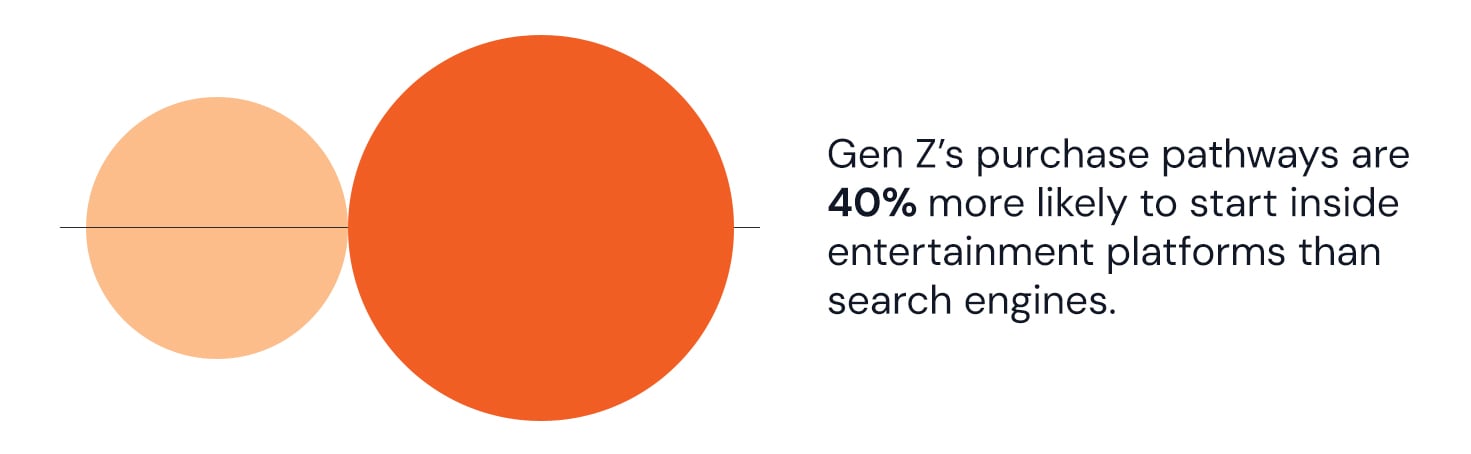
Gen Z’s world runs on movement. Discover’s Global Fusion data shows that gaming, short-form video and music define daily life across almost every market. Screens function as mirrors, reflecting identity and providing belonging. They are also spaces for participation: 58% of Gen Z respondents say they “share to participate,” not simply to inform.
Purchase behavior follows the same rhythm. Discovery, validation and transaction often occur within a single feed. Social commerce isn’t an emerging channel; it is the channel. In the United States and United Kingdom, creator-led product demonstrations and peer reviews rank above traditional advertising in perceived authenticity. Across Asia-Pacific, creator collaborations linked to entertainment platforms outperform static digital campaigns by wide margins.
Strategic implication
Gen Z equates participation with trust. Media Campaigns that invite interaction, such as live experiences, co-creation, challenges and personalised drops perform strongest. Passive viewing equals disconnection; active play equals conversion.
Millennial Insights: Confidence with Intent
If Gen Z moves fast, Millennials move forward with structure. They are the bridge generation between digital experimentation and digital efficiency. Discover Global Fusion findings show that Millennials value credibility, service and long-term reliability. They research before they react, compare before they commit and expect transparency before they transact.
In North America and Western Europe, Millennials over-index on financial planning, health and professional development content. In LATAM and the Middle East, family security and entrepreneurial optimism dominate. While their interests vary, the constant is intentionality. They connect with brands that make progress tangible.
Strategic implication
For Millennials, every touchpoint contributes to a decision hierarchy. They reward accuracy and authenticity over novelty. Entertainment holds their attention; evidence earns their loyalty.
Consumer Insights: Influence and Two Languages of Trust
Influence sits at the intersection of relevance and credibility, but each generation defines those words differently.
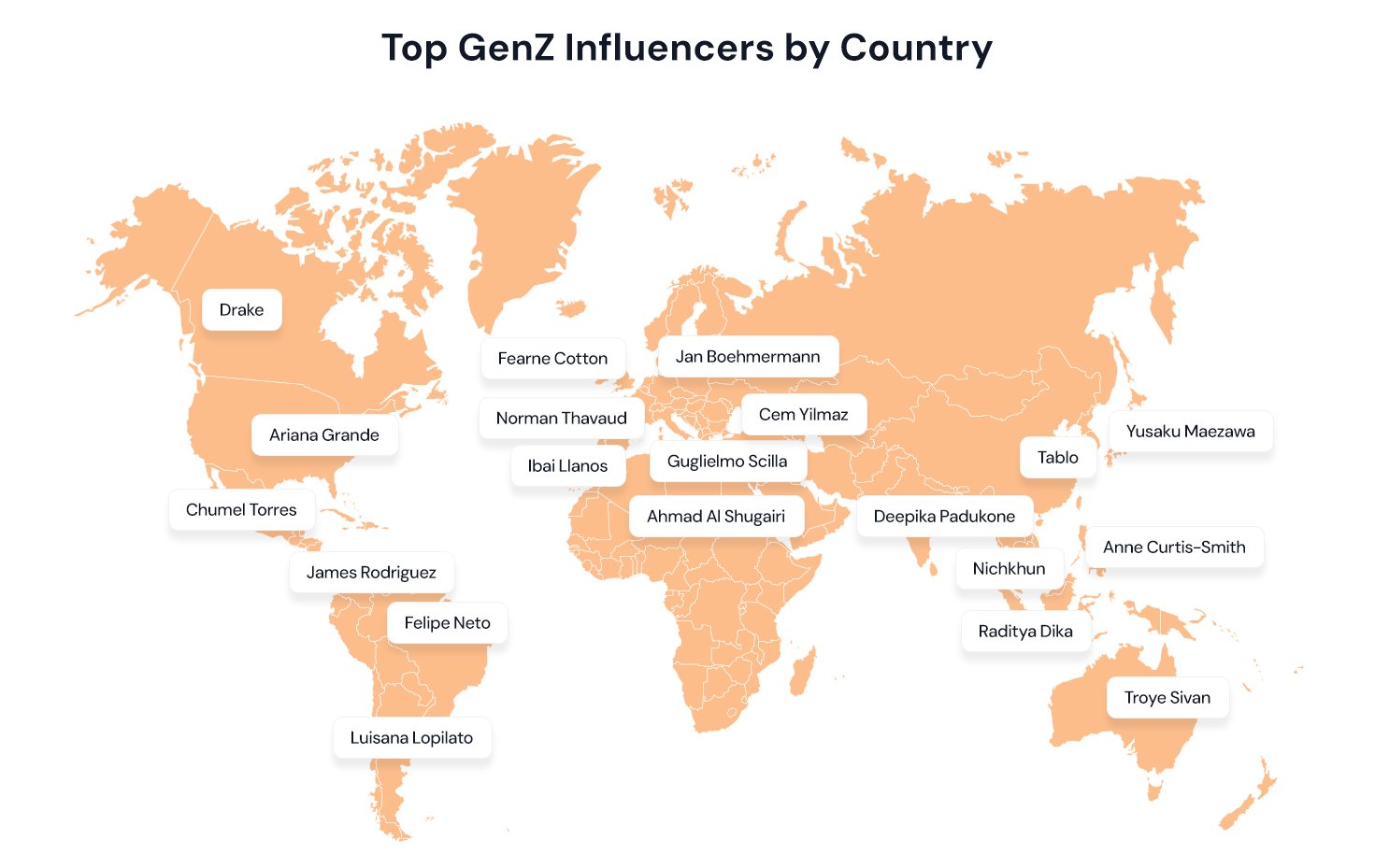
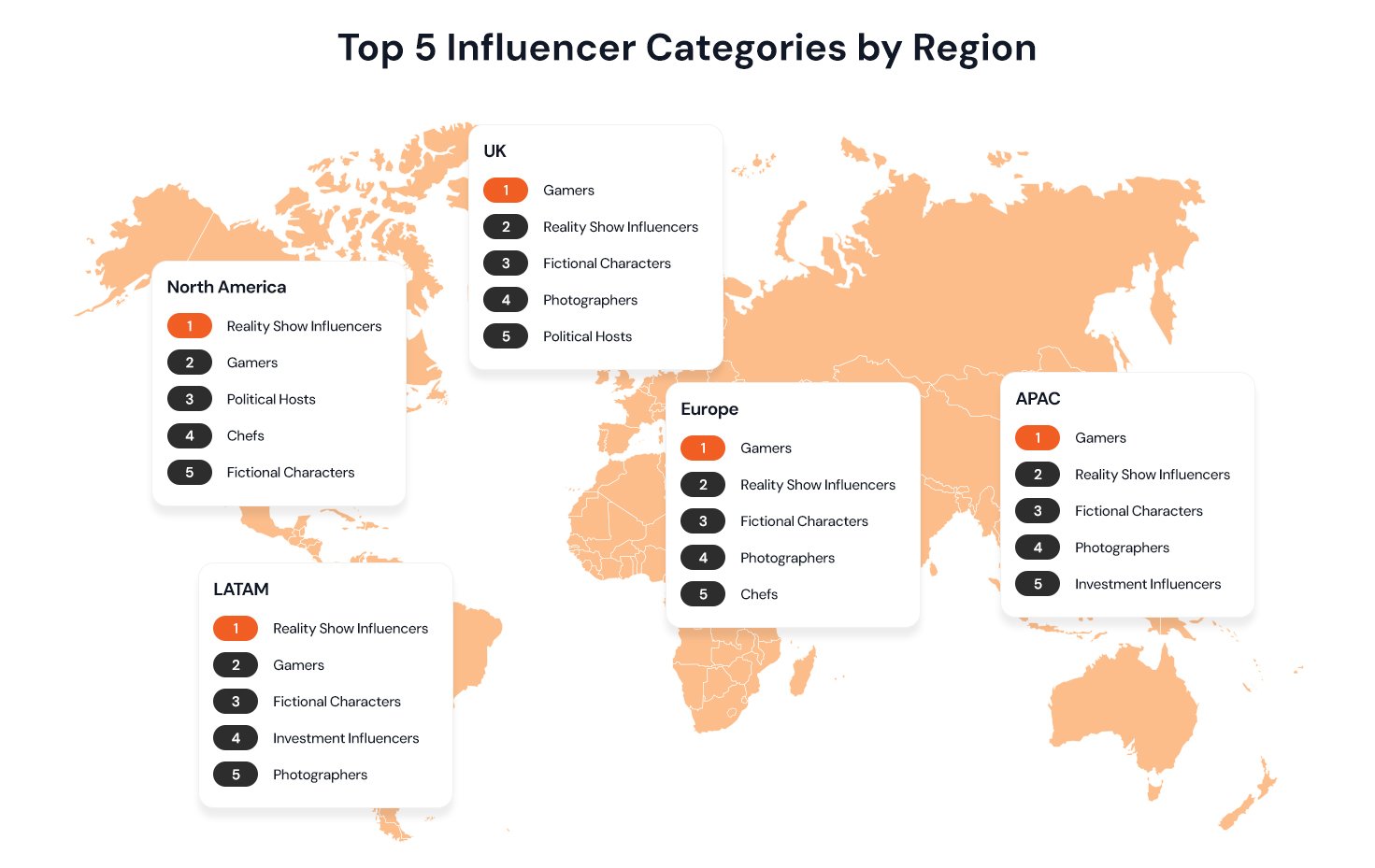
TelmarHelixa’s Mapping the Modern Consumer report ranks gaming creators and reality-show personalities highest among Gen Z audiences worldwide, while Millennials gravitate to educators, finance experts and culinary or design specialists. In APAC, Gen Z’s top influencer categories overlap heavily with entertainment; Millennials there elevate technology reviewers and career mentors.
Interpretation
Gen Z’s trust is horizontal: they trust people who feel like peers. Millennials’ trust is vertical: they trust people who teach. Both groups reject obvious promotion; they engage with perspective.
Strategic implication
The process of identifying the right creator has evolved into a research-driven, data-backed speciality. The same brand may need a gaming creator in Seoul, a design curator in Paris and a finance podcaster in São Paulo to reach equivalent audiences.
Consumer Insights: Values and Motivations Across Markets
Values drive velocity. TelmarHelixa’s Discover Global Fusion cross-market comparison shows how both generations express purpose differently.
- Gen Z emphasizes visibility, progress and collective energy. They follow causes that match identity and communities that echo personal experience.
- Millennials emphasize stability, wellness and integrity. They participate through contribution; mentoring, volunteering and purchasing from transparent brands.
In EMEA, Gen Z identifies with creativity and social equality; Millennials prioritize responsible consumption. In LATAM, Gen Z shows high affinity for humor and collective pride; Millennials focus on advancement and education. In APAC, both groups align on innovation but differ on pace. Gen Z wants immediacy, Millennials sustainability.
Strategic implication
Purpose driven marketing must adapt tone and timing to regional value clusters. The same sustainability message may evoke activism for Gen Z in Europe but prudence for Millennials in Asia.
Consumer Insights: Strategy That Travels Globally and Acts Locally
The single most important conclusion from the TelmarHelixa Mapping the Modern Consumer report is that effectiveness depends on scale and specificity. The ability to see patterns across borders while acting within context separates leading brands from lagging ones.
TelmarHelixa’s Discover Global Fusion connects behavior with motivation, allowing strategists to identify shared human drivers (learning, security, self-expression), then monitor how those drivers manifest differently by region.
For instance, self-expression may translate into music streaming and creator fandom in North America, fashion experimentation in Europe and digital art in Southeast Asia. Each market expresses the same motivation through different behavior.
Strategic implication
Global strategy succeeds when it recognises rhythm before replication. Instead of exporting creative unchanged, brands should orchestrate, aligning message architecture while adapting execution.
Focus on Local Trends
Gen Z and Millennials move the world differently. Gen Z turns platforms into playgrounds for identity; Millennials turn them into engines for progress. Creator ecosystems, values and behaviours shift by region, proving that one message cannot serve all. TelmarHelixa’s Mapping the Modern Consumer equips leaders with data to act locally without losing global alignment.
FAQs
Q1. What does the TelmarHelixa Gen Z & Millennial Mapping the Modern Consumer Report reveal?
It analyzes how each generation behaves across 20 global markets and 1.5 billion consumers, detailing platform usage, creator relevance, values and purchase intent to show where global patterns meet local nuance.
Q2. Why compare these two generations?
Because they represent the core of today’s consumer economy. Understanding how they differ explains shifts in media ROI, influencer impact and category growth.
Q3. What industries benefit most?
Any category shaped by rapid cultural change, such as media, telecommunications, retail, fashion, finance, technology and travel. The data supports planning, segmentation and innovation roadmaps.
Download the TelmarHelixa Gen Z & Millennial ‘Mapping the Modern Consumer’ Report
GenZ and Millennials set the pace for culture, media, and spend. Their choices, what they watch, follow, and buy, signal where growth and opportunity emerge.
Our latest market research report "Mapping the Modern Customer: Gen Z and Millennials in Focus", evidences meaningful differences between GenZ and Millennials, market by market, platform use, creator ecosystems, values alignment and purchase pathways. The outcome is strategy that travels globally and flexes locally, with the granularity to act in each market.
Download your copy of TelmarHelixa's Gen Z and Millennials in Focus Research Report here.